One of the biggest challenges during any bed bug heat treatment is the elimination of cold spots.
A cold spot is any area within a treatment zone that fails to reach a temperature high enough to kill bed bugs and their eggs.
Even a small cold spot can allow surviving bed bugs to continue the infestation.
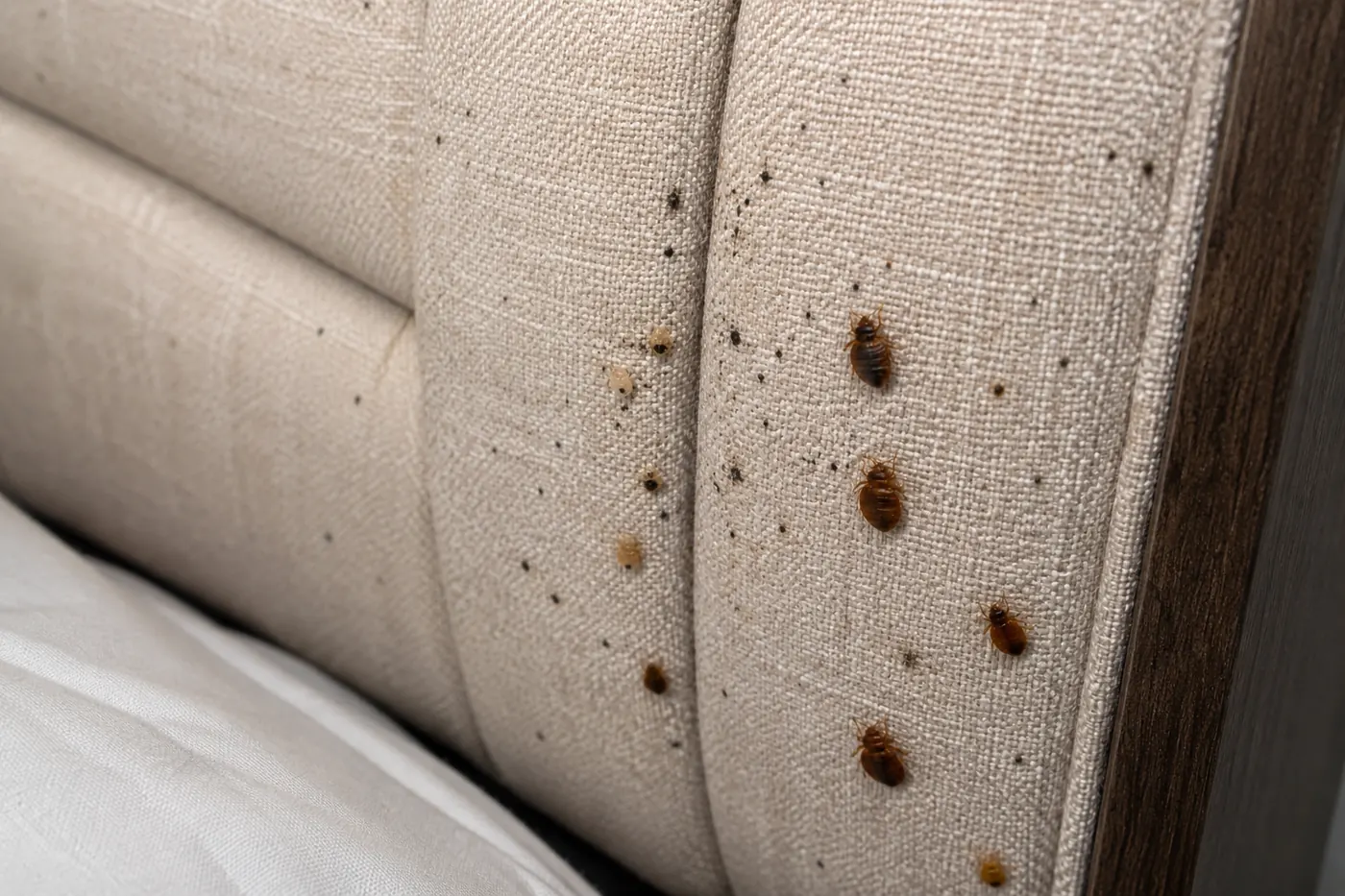
Where Cold Spots Occur
Cold spots can develop in many areas, including:
- Behind furniture
- Inside wardrobes
- Under mattresses
- Within cluttered rooms
- Behind skirting boards
- Around thick furnishings
- Inside wall voids
- Beneath carpets and rugs
These locations may heat more slowly than surrounding areas and require careful attention during treatment.
Why One Surviving Bed Bug Matters
Many people assume that eliminating most of the bed bugs is enough.
Unfortunately, this is not the case.
A single fertilised female bed bug can restart an infestation.
If bed bugs survive within a cold spot, they can continue feeding and reproducing after treatment.
Air Movement Is Essential
Professional heat treatments rely heavily on air circulation.
Industrial air movers are used to distribute heat evenly throughout the property and reduce the likelihood of cold spots developing.
Furniture is often repositioned and drawers opened to improve airflow.
Continuous Temperature Monitoring
Professional technicians use thermal probes and thermal imaging cameras to identify cooler areas during treatment.
If a cold spot is detected, adjustments can be made immediately.
Additional heat may be directed into the area or airflow modified to improve heat penetration.
Why DIY Heat Treatments Often Fail
Many DIY attempts focus on heating the air within a room.
Unfortunately, bed bugs hide within furniture, wall junctions and numerous other protected areas.
Without professional monitoring equipment, it can be difficult to identify areas that remain below lethal temperatures.
The Bottom Line
The success of any heat treatment depends on eliminating cold spots.
Professional equipment, proper airflow and continuous monitoring are essential to ensure that every potential bed bug harbourage reaches lethal temperatures.