How We Kill Bed Bugs With Heat
The definitive guide to professional bed bug heat treatment — the temperatures that kill every life stage, how we eliminate cold spots, and why one visit ends an infestation.
Ask our local heat treatment specialists
Type any question about bed bugs, fleas, moths or carpet beetles — get an instant professional answer.
Why heat treatment is the most effective bed bug solution in the UK
Bed bugs are notoriously difficult to eliminate with chemicals. UK bed bug populations are widely resistant to the pyrethroid sprays that pest controllers used for decades, and even effective sprays do not penetrate bed bug eggs. That's why traditional treatments need multiple visits — and why so many infestations return.
Heat treatment works differently. By raising the air temperature of the affected rooms to 60–65°C and holding it there for at least 90 minutes, every life stage of the bed bug dies simultaneously. There are no eggs left to hatch and no nymphs to regroup. The infestation ends in a single day.
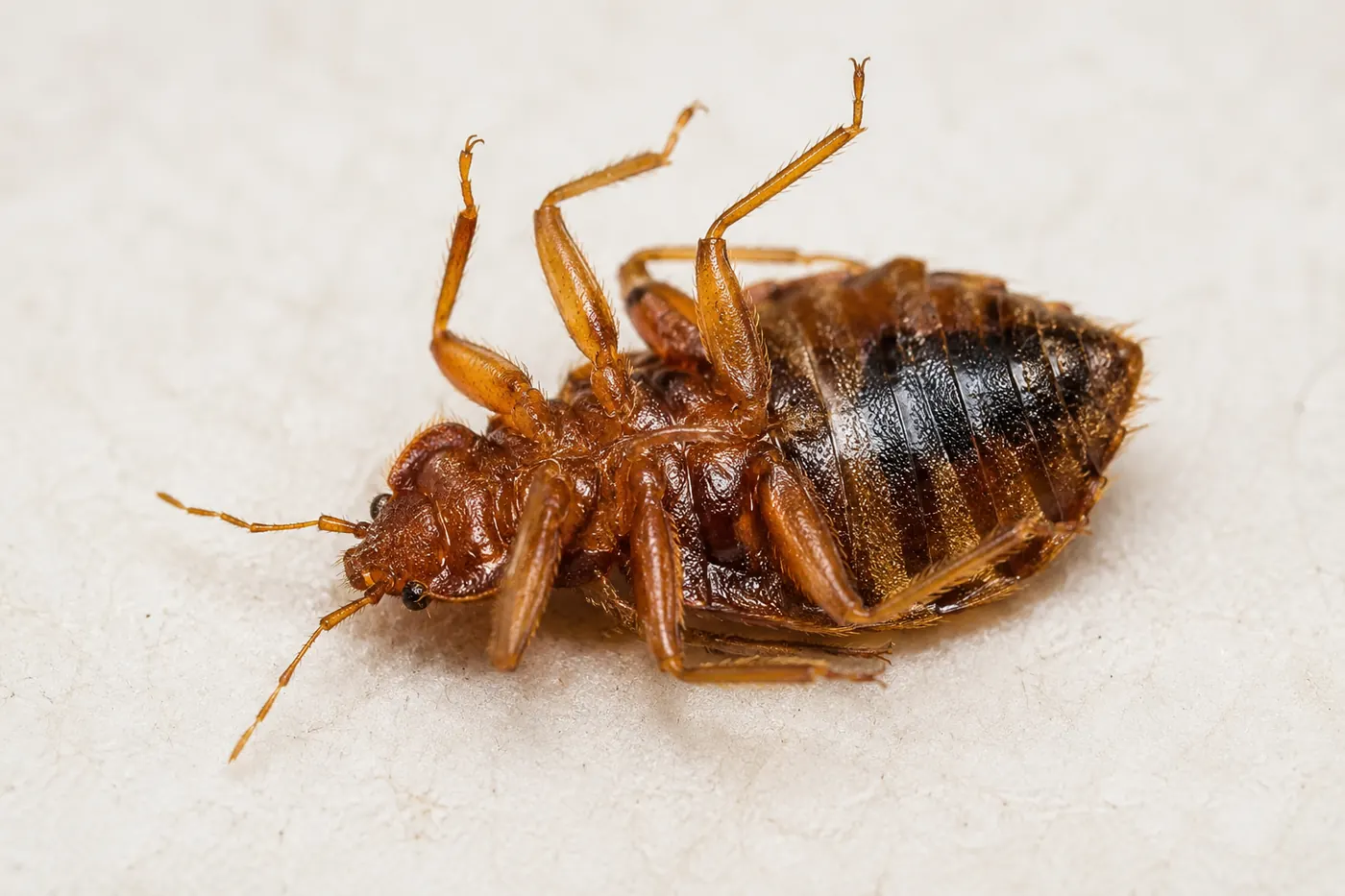
The lethal temperatures — by life stage
Bed bugs die when their core body temperature passes the thermal death point — not when the room thermostat reads a number. Different life stages succumb at slightly different temperatures and exposure times:
| Life stage | Lethal from | Exposure needed | Why it matters |
|---|---|---|---|
| Adults | 46°C+ | Minutes once core temperature is reached | Mobile — they flee heat, which is why airflow and room-wide coverage matter. |
| Nymphs | 46°C+ | Minutes once core temperature is reached | Hide deeper in harbourages than adults; slower to reach lethal temperature. |
| Eggs | 48°C+ | Sustained exposure required | The hardiest life stage — and the one sprays can't touch. This is why we hold temperature for 90+ minutes. |
Eggs are the benchmark. Because they are the hardiest stage — and the one chemicals cannot reliably kill — we run every treatment to a standard that clears eggs with a wide safety margin: rooms raised to 60–65°C and held for a minimum of 90 minutes at the coolest monitored point. Read the full breakdown in what temperature kills bed bugs.
Heat distribution and cold-spot monitoring
Setting a heater to 60°C does not make a mattress core 60°C. Mattresses, wardrobes, skirting voids and the centres of sofas all lag far behind air temperature — and anywhere that stays below the kill threshold becomes a refuge. Cold spots are the number one reason cut-price heat treatments fail.
High-volume circulation fans drive heat into furniture, wardrobes and wall voids instead of letting it pool at the ceiling.
Sensors placed at the coolest points — deep in mattresses, behind skirting — report live temperatures throughout the hold.
Technicians scan rooms continuously with thermal cameras, repositioning airflow the moment a cold spot appears.
The hold clock only starts when the coolest sensor reaches target temperature. That is the difference between a treatment and a gamble — read more in why cold spots cause heat treatment failure.
Why professional treatment isn't DIY heating
Hiring domestic heaters or turning up the central heating cannot replicate this. Domestic units lack the output to push a whole room — including its furniture and voids — past the lethal threshold, and without probe monitoring you have no way of knowing whether the coolest point ever got there. Unmonitored, improvised heating is also a serious fire risk. Professional treatment combines industrial heaters, engineered airflow and continuous multi-point temperature logging, with trained technicians on site from start to finish.
The five stages of a heat treatment visit
1. Inspection and survey
On arrival we identify the extent of infestation, note harbourage points and decide which rooms need treatment. We also identify the ‘coolest points’ — typically deep in mattresses, inside wardrobes and behind skirting — and place wireless temperature sensors there.
2. Deployment
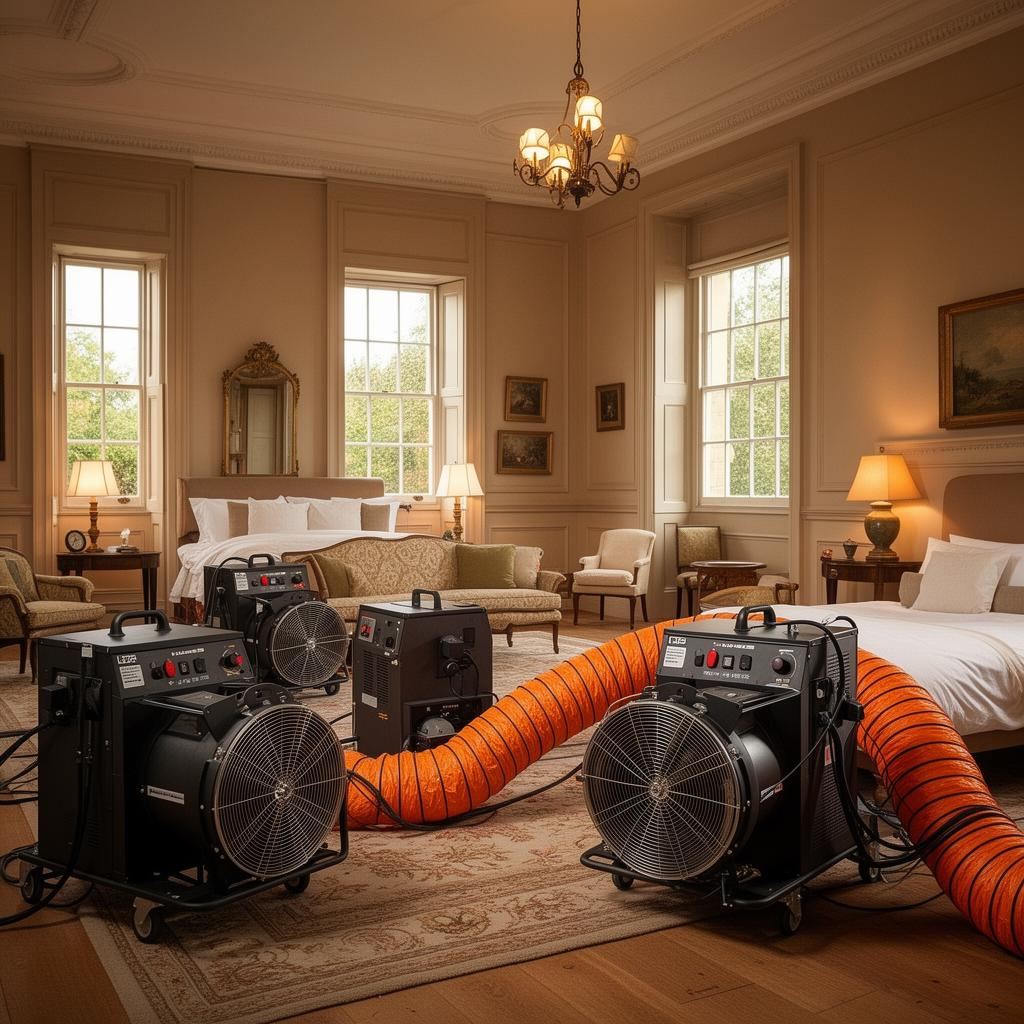
We set up industrial electric & diesel heaters and circulating fans. Door gaps are sealed to keep heat in and away from neighbours. We bring our own power supply where required.
3. Ramp and dwell
Temperature rises to 60–65°C over 60–90 minutes and is held for a minimum of 90 minutes once the coolest sensor has reached target. We constantly check with thermal imaging cameras for cold spots and the correct temperature readings.
4. Active monitoring
Technicians remain on-site throughout. Sensors and probes are checked continuously and air circulation is adjusted to keep cool spots from forming.
5. Cool-down and handover
Equipment is removed and the property cools to a safe temperature. You receive a full treatment report including temperature graphs and the written 6-month guarantee.
Preparation — what we ask of you
Good preparation is what makes a single visit possible: clear the floors, open wardrobes and drawers, and move or protect heat-sensitive items (candles, aerosols, plants, vinyl records). Anything removed from bedrooms and the lounge goes to the kitchen for examination. Our full preparation checklist walks you through it, and our audio prep guide reads it out while you work.
The benefits of chemical-free treatment
- No residue. Nothing is sprayed, fogged or applied to surfaces. Children and pets can return the same evening with no exposure risk.
- Safe for sensitive households. No insecticides are used at any stage — nothing sprayed, no residues left behind.
- Listed-building friendly. No solvents on original timber, no staining of period plaster.
- Lease-compliant. Most managed apartment blocks restrict chemical pest control inside units — heat treatment isn't restricted because nothing is applied to surfaces.
- No environmental discharge. No pesticide enters drains, watercourses or the building's air filtration.
Guarantee
Every residential heat treatment comes with a 6-month re-treatment guarantee. If bed bugs reappear during that period through no fault of yours (i.e. no obvious re-introduction), we return and re-treat at no charge, please note we would need video evidence of live bed bugs not pictures, or bites as there are so many different insects that can leave bed bug like bite symptoms on the body
Craig is the founder and lead heat-treatment specialist at Extreme Heat Force UK. He carries out professional bed bug heat treatments across London and the UK and reviews our technical guides for accuracy against what actually happens on a real treatment day.
Go deeper
The lethal thresholds for every life stage, and why the numbers on the thermometer aren't the whole story.
The single biggest reason cheap heat treatments fail — and the monitoring that prevents it.
A treatment day from arrival to handover: equipment, sensors and what our technicians actually do.
Property sizes, ramp times and why we never rush the hold phase.
Frequently asked questions
Need bed bugs gone — fast?
One visit. No chemicals. Every adult, nymph and egg killed in a single visit — backed by our 6-month written guarantee. Call now for a no-obligation quote — most jobs booked within 48 hours.